-
Autonomous Robots
Autonomous Robots
Seamless Multi-Brand AGV & AMR Collaboration with Multiway Robotics VDA5050 Bidirectional Integration
Date:2026-04-24
In today’s factory automation projects, operating multiple brands of AGVs and AMRs in parallel has become common. However, “information silos” often create inefficiencies:
Rigid system barriers prevent devices from different brands from communicating.
Scheduling systems operate independently, lacking unified coordination.
Cross-operation areas are prone to congestion and collisions.
Adding a new device often requires building a separate management system, exponentially increasing complexity.
The result: higher system costs, cumbersome architectures, and logistics efficiency falling short of expectations—making it a major bottleneck in enterprises’ digital transformation.
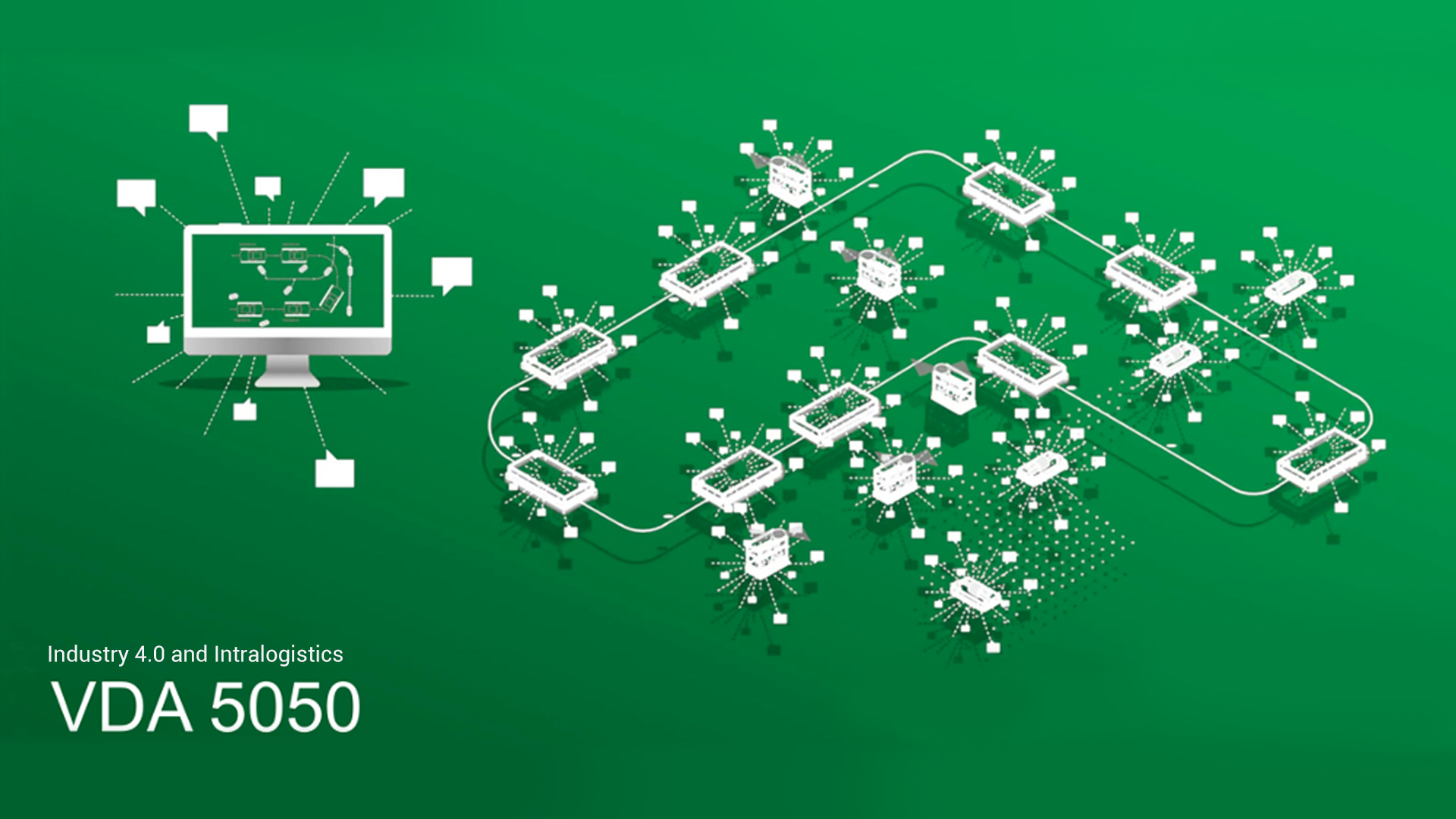
1. VDA5050: Breaking Barriers at the Core
VDA5050, developed by the German Association of the Automotive Industry (VDA) in collaboration with VDMA, is a communication interface standard for AGVs and AMRs. Its core purpose is to provide a unified communication language, solving cross-device compatibility challenges.
Key benefits:
Multi-brand, multi-model AGVs/AMRs can connect to a single scheduling system.
All devices communicate using a unified language, enabling seamless command and status exchange.
By addressing interoperability at the source, VDA5050 lays the foundation for mixed-brand scheduling and significantly reduces AGV system integration time.
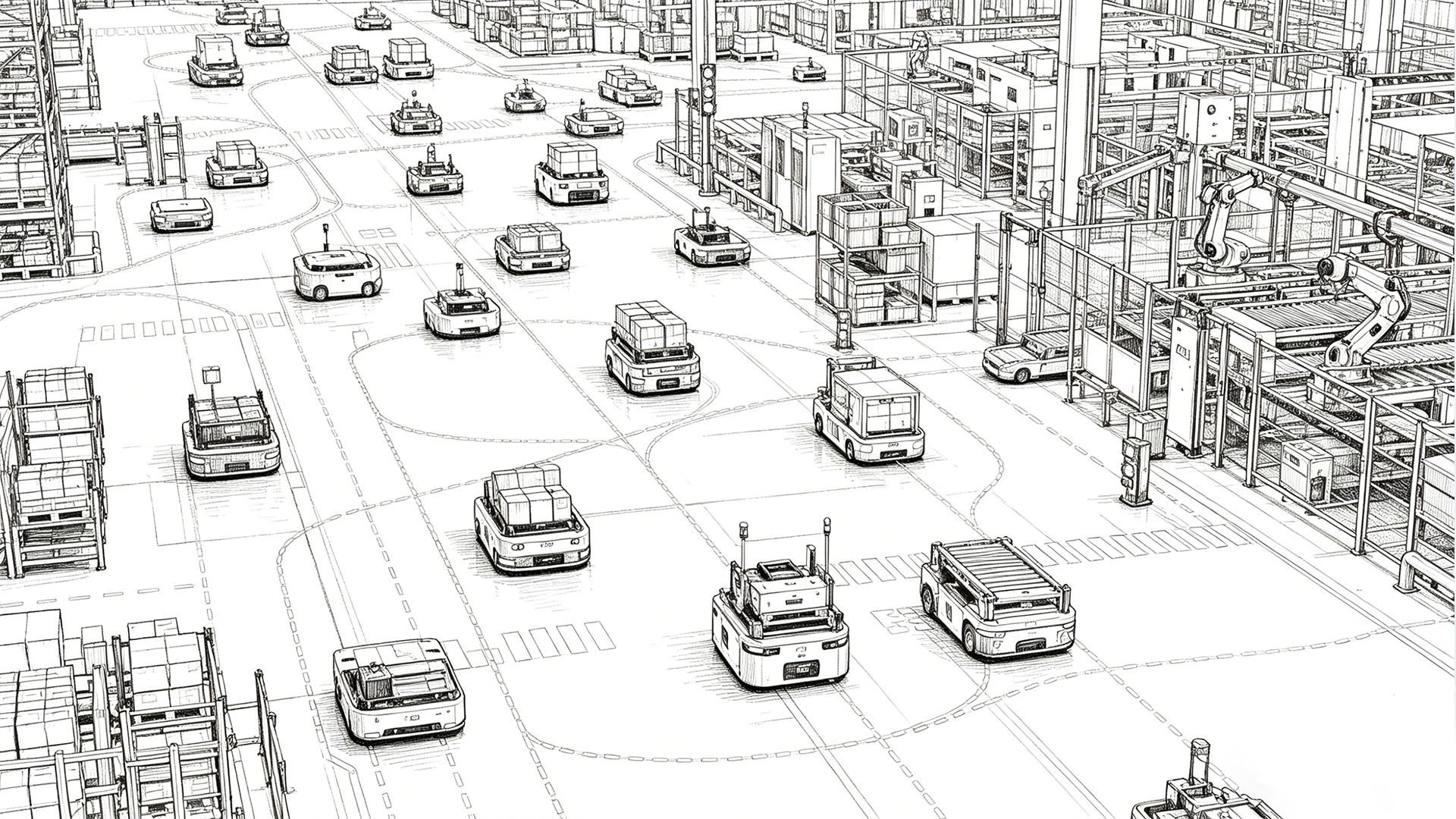
2. Real-World Challenges: “Connectable” vs. “Usable”
As VDA5050 adoption grows, many vendors claim support for the standard. Yet in reality, many projects only achieve basic device connectivity, leading to inefficiencies:
✔ Devices can connect, but scheduling efficiency remains low.
✔ Devices communicate, but collaboration is unstable.
✔ Devices are operational, but scaling up is difficult.
Root cause: most solutions address communication, but not system-wide collaboration.
3. Multiway Robotics: Making VDA5050 Work in Practice
For Multiway Robotics, VDA5050 is not merely an interface; it is the foundation of system capability. Through integrated software-and-vehicle solutions, we enable the leap from “connectable” to “fully operational”.
Our approach:
01 | Full-Link Integration
Supports VDA5050 standard communication.
Enables two-way communication between scheduling systems and devices.
Compatible with major MCS/RCS platforms.
Not just “can connect”—but runs reliably.
02 | True Multi-Brand Collaboration
Unified scheduling across devices from multiple brands.
Coordinated operations across different vehicle models.
Unified path and traffic management.
Not “each for itself”—but optimized as a whole.
03 | Scalable Project Delivery
Reduced custom development.
Shorter project timelines.
Lower system complexity.
Not just a demo—a replicable, scalable solution.
04 | Continuous Optimization Beyond Standards
It is important to note: VDA5050 only solves communication, not scheduling.
Building on this, Multiway Robotics continuously enhances:
Multi-vehicle scheduling algorithms
Task allocation efficiency
System stability and fault tolerance
Ensuring control even in complex, real-world scenarios.
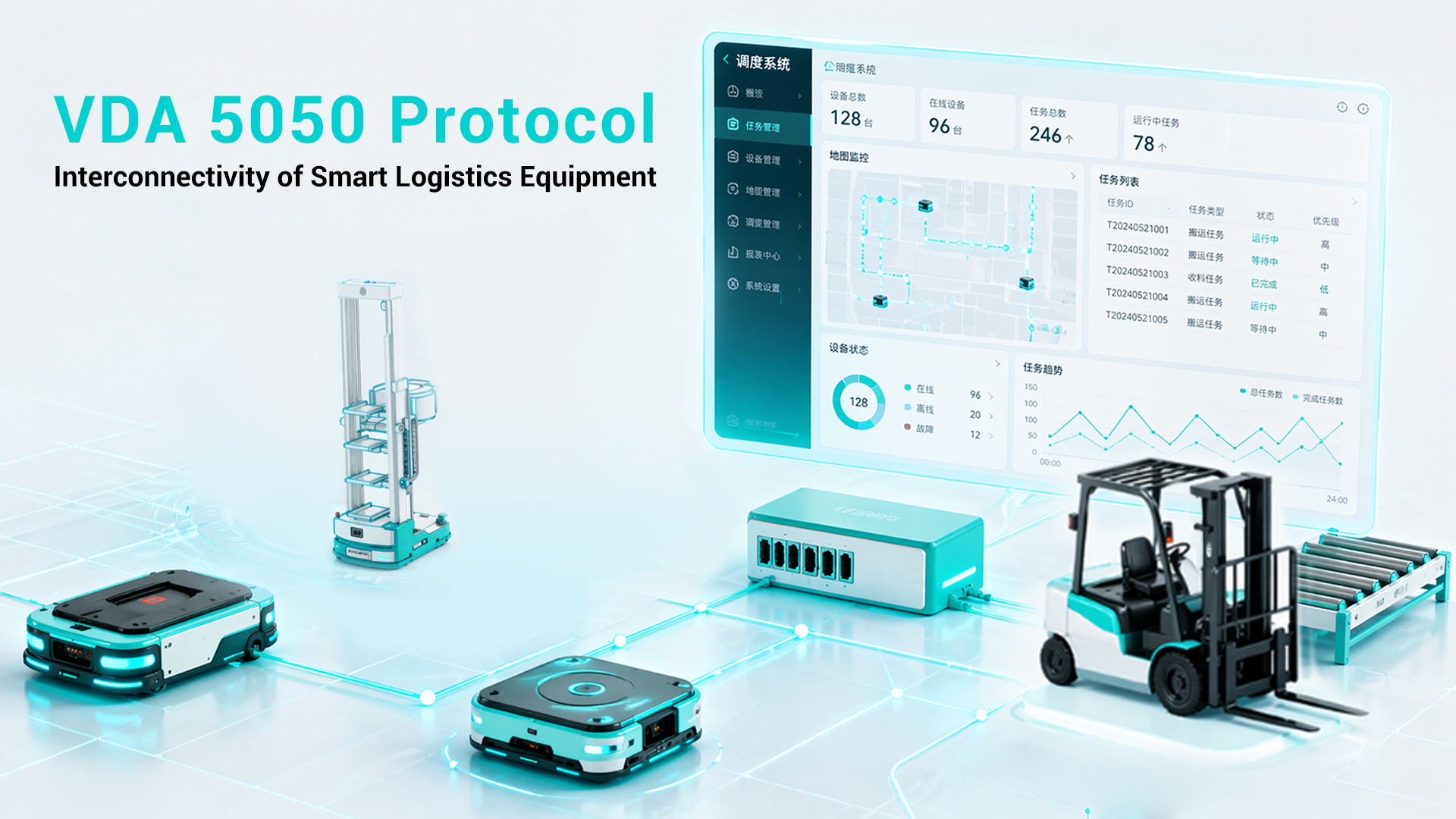
4. Where the Gap Lies
Many customers find that although vendors claim VDA5050 support, actual performance varies widely.
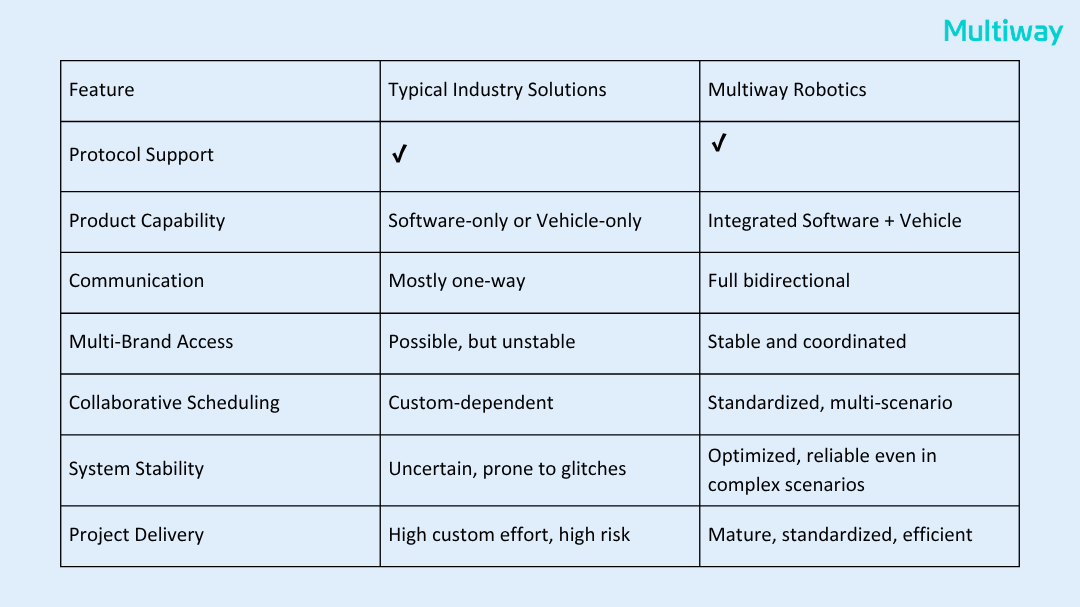
Core difference: Others solve “Can it connect?” Multiway Robotics solves “Can it work—and work well?”
5. What This Means for Customers
When a system truly enables collaboration, enterprises experience:
✔ Freedom from single-vendor dependency.
✔ No repeated system development.
✔ Lower costs for expansion.
✔ Systems that evolve alongside business growth.
VDA5050 represents the first step toward open industry collaboration. Its real value lies not in the standard itself, but in who can implement it effectively to deliver tangible results.
Multiway Robotics leverages integrated software-and-vehicle capabilities to turn VDA5050 from a standard into actionable outcomes, helping enterprises overcome automation bottlenecks and improve logistics efficiency.


News

Offices
United States ● Atlanta l Germany ● Duisburg
Korea ● Seoul l Japan ● Tokyo l China ● Shenzhen
Tel: +86-133-9286-4873
Email: sales@mw-robot.com


Message