-
Autonomous Robots
Autonomous Robots


Scalable Automation Across Seven Mining Sites: Enabling Intelligent Logistics for a Large Chemical Group
 Video
Video
Case Introduction
As mining and heavy industries accelerate their transition toward intelligent operations, warehouse and in-plant logistics efficiency has become a critical bottleneck to productivity.
For many years, ground-level material handling in mining and chemical facilities has relied heavily on manual forklift operations—resulting in low efficiency, fragmented inventory management, limited visibility, and persistent safety risks.
To address these challenges, Multiway Robotics delivered a standardized intelligent logistics solution for a state-owned, large-scale chemical enterprise and its mining subsidiaries.
The solution has been successfully deployed across three consecutive project phases, covering seven mining sites and multiple warehouse scenarios, including the rollout of a self-service material dispensing system (“unmanned store”) for high-frequency, small-batch materials.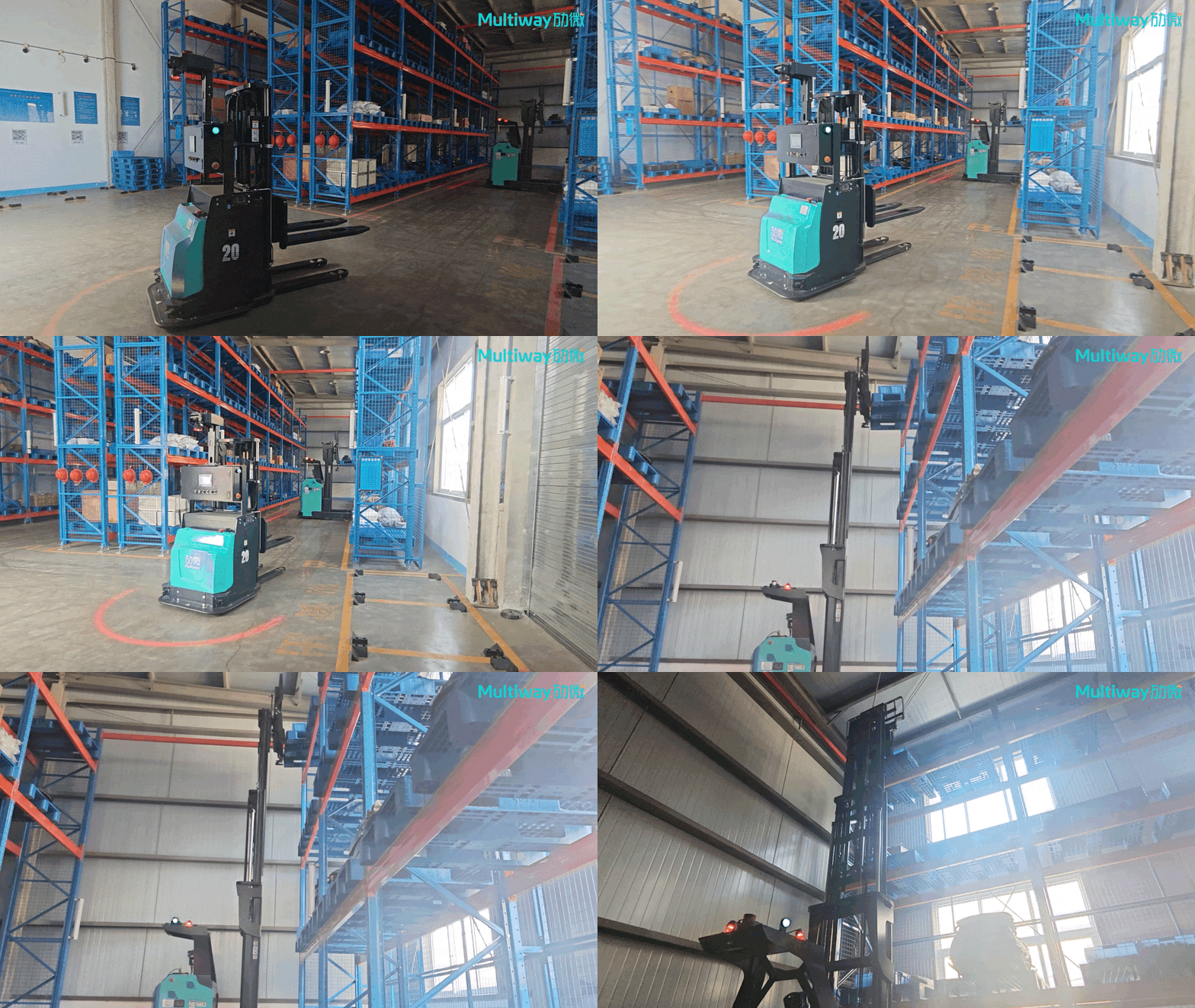
These challenges were not isolated to a single site, but common across mining and heavy industrial operations.
Inbound, internal transfer, and outbound operations relied on manned forklifts. Efficiency fluctuated with workforce availability, while safety risks remained consistently high.
Inventory records were largely maintained manually and disconnected from higher-level management systems, leading to frequent discrepancies between physical stock and system records.
High-frequency, small-quantity material requests depended on manual searching and transport, making it difficult to support continuous production rhythms.
Material flows were not traceable, resulting in both stock accumulation and waste, with limited data support for refined cost management.
These issues represent a common threshold the industry must overcome on its path toward intelligent logistics.
Rather than a one-off deployment, the solution was gradually expanded after stable operation across multiple warehouse scenarios in the first two phases.
The third phase was planned and implemented for multi-warehouse parallel deployment, marking a transition from isolated automation to scaled, system-level rollout across the group.
This repeat adoption demonstrates that the solution had proven its reliability, scalability, and return on investment.
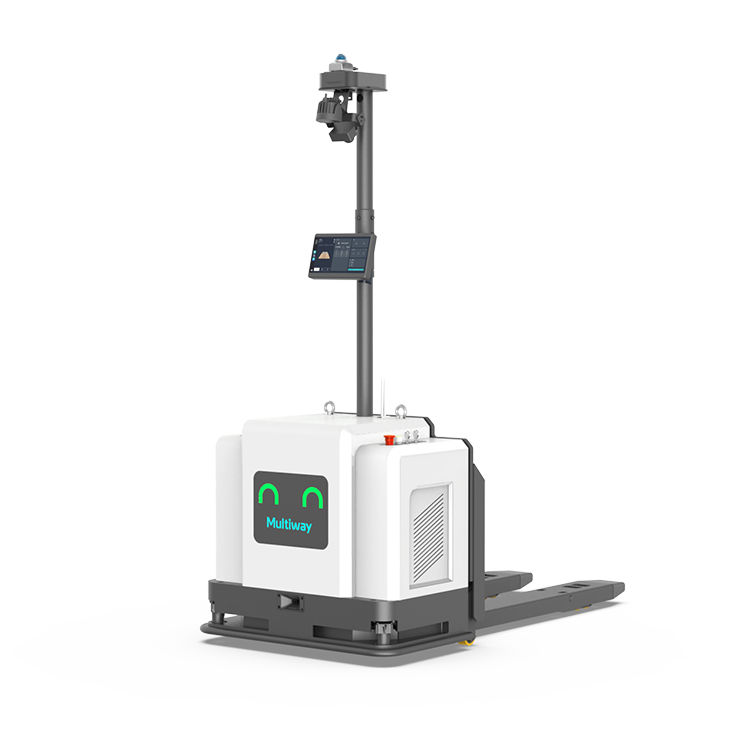
MW-R20S Reach Autonomous Forklift
Designed for high-bay racking operations, maximizing vertical storage utilization.
MW-L20 Stacker Autonomous Forklift
Handles ground transport and buffer zone operations, ensuring smooth process continuity.
A standardized vehicle portfolio enables rapid replication across different warehouse layouts.
The solution integrates:
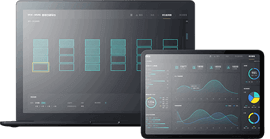
WMS (Warehouse Management System)
RCS (Robot Control & Scheduling System)
WCS (Warehouse Control System)
Vision-based monitoring system
Together, they enable:
Centralized scheduling and coordination of multiple warehouses and fleets
Unified management of inventory, tasks, and routing
Real-time visibility and full-process traceability of operations
Through system-level standardization, multiple warehouses operate at a consistent rhythm under centralized control.
Across the three deployment phases, consistent operational outcomes were achieved:
High-frequency material handling runs continuously across multiple warehouse sites with stable takt times.
High-frequency transport and picking tasks are fully automated, with personnel redeployed to supervision, inspection, and exception handling.
End-to-end traceability enables precise inventory management, fundamentally resolving long-standing stock discrepancies.
Multi-layer safety mechanisms combined with vision systems create effective separation between people, vehicles, and materials.
The unmanned store enables rapid response to frequent, small-batch material requests, improving production support efficiency.
In addition, the solution features short retrofit cycles, low replication costs, and fast time-to-value, making it a mature template for further warehouse expansion.
When an intelligent logistics solution proves its economic viability, controlled risk, and measurable value in early phases, large-scale replication becomes a logical outcome rather than a coincidence.
By standardizing scenarios and enabling synchronized multi-warehouse deployment, Multiway Robotics supported this enterprise’s transition from isolated automation projects to scaled intelligent logistics operations.
The three-phase deployment demonstrates how standardized solutions, system-level integration, and unified warehouse management can provide a replicable and reference-ready model for other mining and heavy industrial enterprises facing similar challenges.

Offices
United States ● Atlanta l Germany ● Duisburg
Korea ● Seoul l Japan ● Tokyo l China ● Shenzhen
Tel: +86-133-9286-4873
Email: sales@mw-robot.com


Message