-
Autonomous Robots
Autonomous Robots
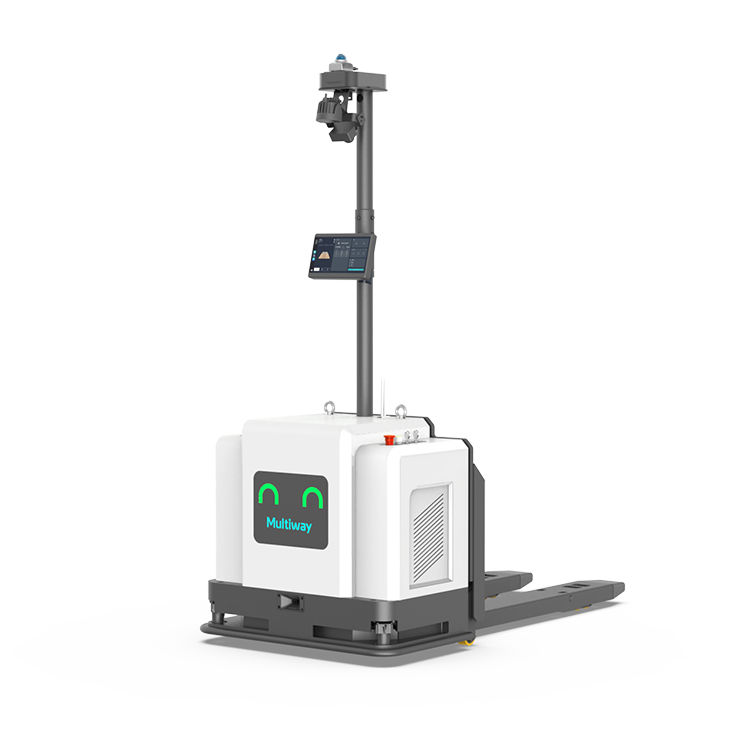
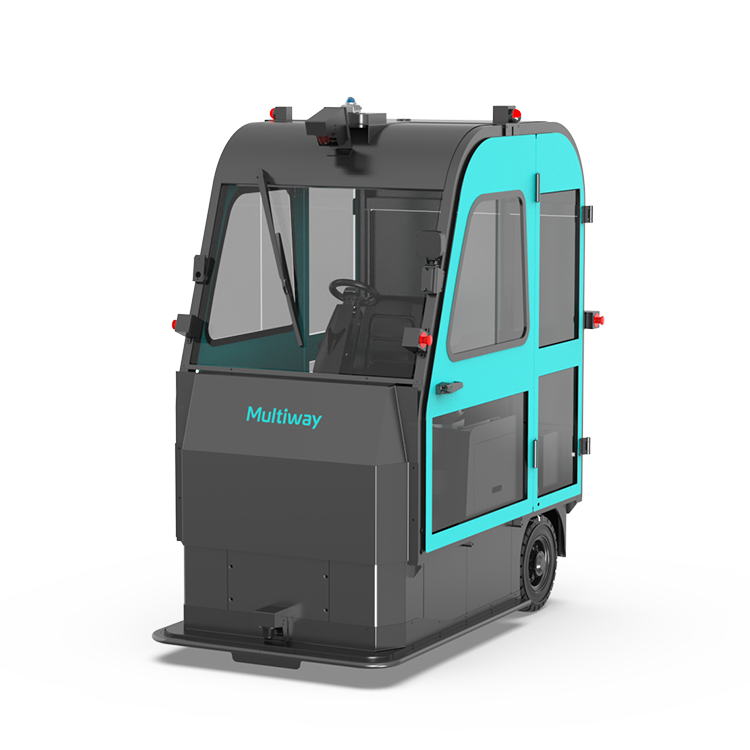
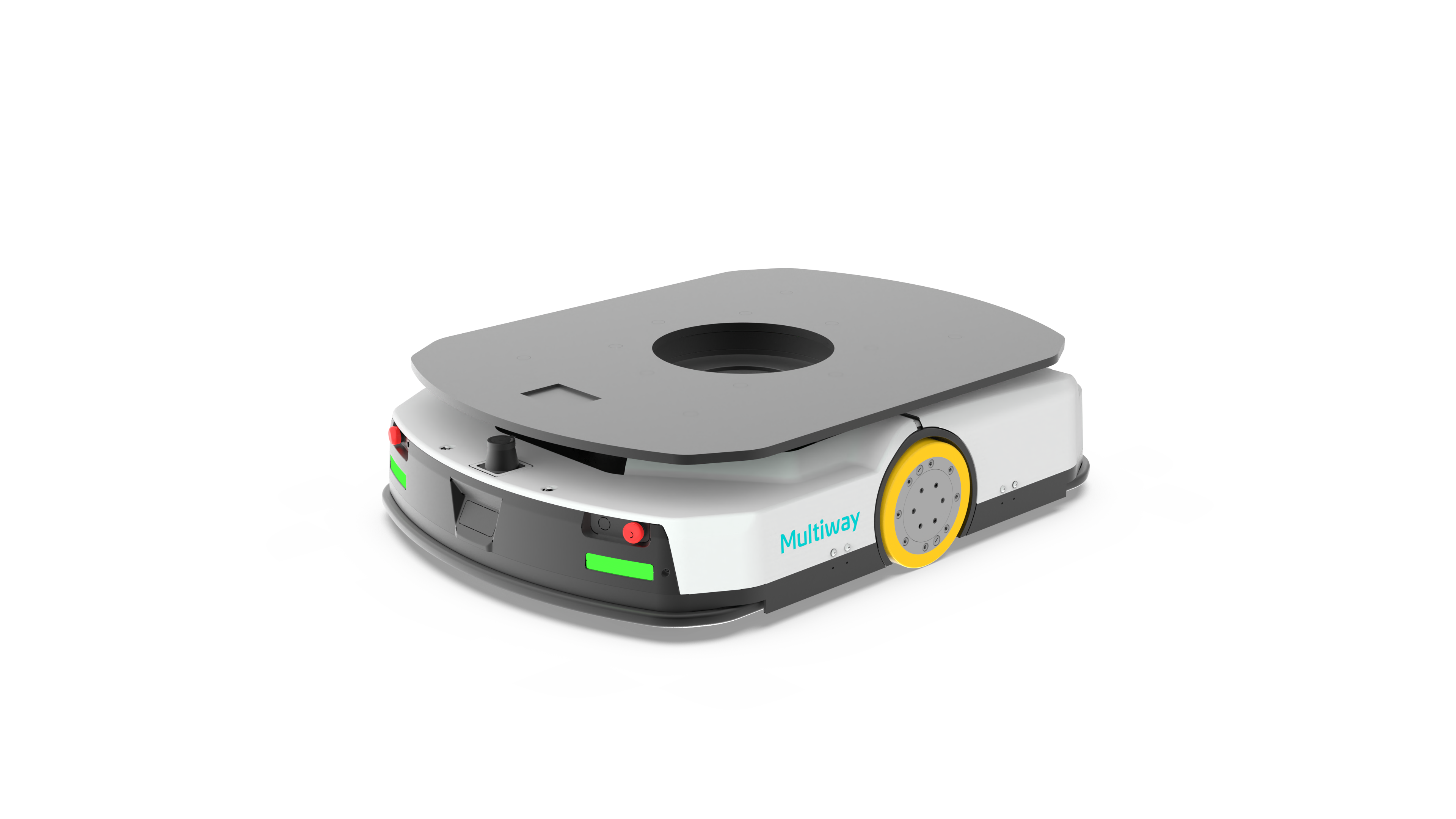
Multiway Robotics has established a comprehensive export qualification system and international certification framework, enabling the company to provide global customers with export services for autonomous forklifts (AGV/AMR), intelligent logistics systems, and related equipment. Based on the regulatory requirements of different countries and regions, Multiway Robotics provides corresponding certification documents, technical documentation, and export paperwork to ensure smooth project delivery.
Currently, Multiway Robotics has obtained multiple international certifications, including CE certification (issued by TÜV SÜD), UL certification, Korea KC certification, ISO 9001 Quality Management System certification, ISO 14001 Environmental Management System certification, ISO 45001 Occupational Health and Safety Management System certification, and ISO 27001 Information Security Management System certification.
These certifications enable Multiway Robotics to meet market access requirements and customer audit standards across overseas markets including Europe, North America, and South Korea. The ISO 9001 certification ensures quality management throughout the entire process of product design, manufacturing, and delivery. The ISO 14001 certification demonstrates the company’s commitment to green manufacturing and environmental sustainability. The ISO 45001 certification establishes a comprehensive occupational health and safety management system to safeguard employee safety and operational reliability. The ISO 27001 certification further strengthens Multiway Robotics’ capabilities in information security, data management, and customer information protection, providing global customers with safer and more reliable cooperation.
In addition to its comprehensive international certification system, Multiway Robotics has developed strong global project delivery capabilities. As a leading unmanned forklift company in China, Multiway Robotics has successfully delivered more than 1,000 intelligent logistics projects, with products exported to over 40 countries and regions.
Its customers span multiple industries, including automotive manufacturing, 3C electronics, semiconductors, new energy, food, pharmaceuticals, and precision manufacturing. Customers include renowned organizations and companies such as China Aerospace, Commercial Aircraft Corporation of China (COMAC), FAW Group, State Grid, Haier, COFCO Group, Toyota, Valeo, Samsung, LG, Hanwha, Sumitomo, Emerson, and Airbus. Multiway Robotics continues to provide efficient, stable, and reliable intelligent logistics solutions for customers worldwide.
Relying on its comprehensive international certification system, advanced product technologies, and extensive overseas project experience, Multiway Robotics provides one-stop intelligent logistics solutions covering solution design, equipment delivery, installation and commissioning, and after-sales service. The company continues to help enterprises achieve logistics automation and intelligent transformation.
In long material warehousing scenarios involving profiles, pipes, sheets, and other elongated goods, traditional forklifts often face challenges such as insufficient turning space, complex handling routes, and poor load stability.
Omnidirectional side-loading forklift AMRs are becoming a new solution for automated long material handling.
The Multiway Robotics MW-O Series omnidirectional side-loading forklift AMRs support forward movement, reverse movement, lateral movement, and in-place rotation, enabling flexible transportation and storage operations for long materials in narrow aisles. The vehicles offer rated load capacities ranging from 1,500 kg to 5,000 kg, with customized models supporting a maximum load capacity of up to 8,000 kg and a maximum lifting height of 8,000 mm.
Leveraging omnidirectional mobility, the MW-O Series effectively reduces the space required for turning, improves warehouse space utilization, and ensures stability and safety throughout long material handling operations. It is particularly suitable for smart warehousing applications in industries such as aluminum profiles, steel, building materials, furniture panels, and new energy materials.
With the growing demand for warehouse automation upgrades in the manufacturing industry, more and more companies are adopting omnidirectional side-loading forklift AMRs to replace traditional manual handling methods and achieve unmanned operations for long material transportation, storage, and inbound/outbound processes.
As a globally leading provider of in-plant intelligent logistics solutions, Multiway Robotics has developed a comprehensive product portfolio covering autonomous forklifts, AMRs, four-way shuttle systems, autonomous towing vehicles, and intelligent software platforms. Its projects have been deployed across more than 40 countries and regions in Asia, Europe, the Americas, and Oceania.
To date, Multiway Robotics has delivered more than 1,000 intelligent logistics projects, providing smart logistics solutions for customers in industries including automotive, new energy, electronics manufacturing, aerospace, food and beverage, and building materials. The company continues to drive the global transformation toward automated warehousing and logistics.
Against the backdrop of continuously rising land and warehousing costs, high-bay warehouses are becoming an important solution for the manufacturing and logistics industries to improve storage efficiency.
However, the higher the warehouse, the greater the requirements for forklift equipment.
Take the Multiway Robotics MW-K16 three-way forklift AMR as an example. The vehicle features a rated load capacity of 1.5 tons, a maximum lifting height of up to 16.5 meters, and requires a minimum operating aisle width of only 1.75 meters. With 180° fork rotation and left-right lateral shifting functions, it can complete storage and retrieval operations on both sides of the racks without requiring the entire vehicle to turn.
This allows enterprises to further reduce aisle widths, increase the number of storage locations, and achieve higher storage capacity within the same warehouse footprint. Combined with autonomous driving technology and intelligent scheduling systems, the solution enables automated, standardized, and 24/7 high-bay warehouse operations.
Currently, the MW-K16 has been widely applied in high-bay warehousing scenarios across industries including new energy, automotive components, electronics manufacturing, and third-party logistics. It helps customers achieve improvements in both warehouse space utilization and operational efficiency.
As a leading unmanned forklift company in China, Multiway Robotics has served more than 700 customers worldwide, with projects deployed across over 40 countries and regions. Its customers include renowned organizations and companies such as China Aerospace, Commercial Aircraft Corporation of China (COMAC), FAW Group, State Grid, Haier, Samsung, LG, Hanwha, Sumitomo, Emerson, and Airbus.
1. With our software system, the algorithm will sound the alarm when it detects deviation of the route of automated forklifts. The system can also identify and alarm an abnormality in the communication equipment.
2. For automated forklifts with laser 360° three-dimensional obstacle avoidance, whenever unknown objects approach the forklift, it will raise the alarm.
3. The autonomous forklift has a mechanical anti-collision edge. Whenever an object bumps to the edge, the forklift will stop working and sound an alarm.
4. The autonomous forklifts will check the storage space before releasing the goods in the location.
5. The automated forklift is equipped with an emergency stop button. One can manually stop the forklift with the emergency stop brake and stop the automatic forklift in operation.
6. Our Sky Horizon Vehicle-road Coordination System can reduce the risk of collision among automatic vehicles, manual forklifts, and pedestrians by giving early warnings and decelerating vehicles at busy intersections, such as crossroads.
7. If there is an inclination during operation, the unmanned vehicle can detect the issue, slow down, and sound the alarm.
No.
Multiway unmanned forklift can enter the elevator and support cross-floor transportation.
Multiway Warehouse Control System (MW WCS) realizes the unified management of the operating systems of robots, elevators, automatic doors, conveyors, rollers, manipulators and other equipment. It connects the system function console and data center, and manages the entire equipment and information flow.
 Loading

Offices
United States ● Atlanta l Germany ● Duisburg
Korea ● Seoul l Japan ● Tokyo l China ● Shenzhen
Tel: +86-133-9286-4873
Email: sales@mw-robot.com


Message